Images Between Us
A feature documentary by Tamás Wormser
For forty years, photojournalist Antal Wormser documented everyday life in socialist Hungary, leaving behind approximately 70,000 negatives. Decades later, his son turned the camera toward his parents in their final years. Images Between Us follows images across three generations, exploring what they preserve, transform and transmit of those we love.
Director / Producer / Writer / Director of Photography Tamás Wormser Production Artesian Films Inc. Editor Boban Chaldovich Composer Erich Kory Québec distributor K-Films Amérique Archive partner Hungarian National Museum
Project status
In production
Drawing on an extensive photographic and audiovisual archive spanning nearly a century, Images Between Us is preparing for a short period of filming followed by an extensive post-production phase. With some financing secured in Canada, we are seeking additional funding, international co-production partners and broadcasters, aiming to complete the film by the end of 2027.
Currently seeking
- European co-production partners
- Broadcasters
- International partners
The film
Two archives, facing one another
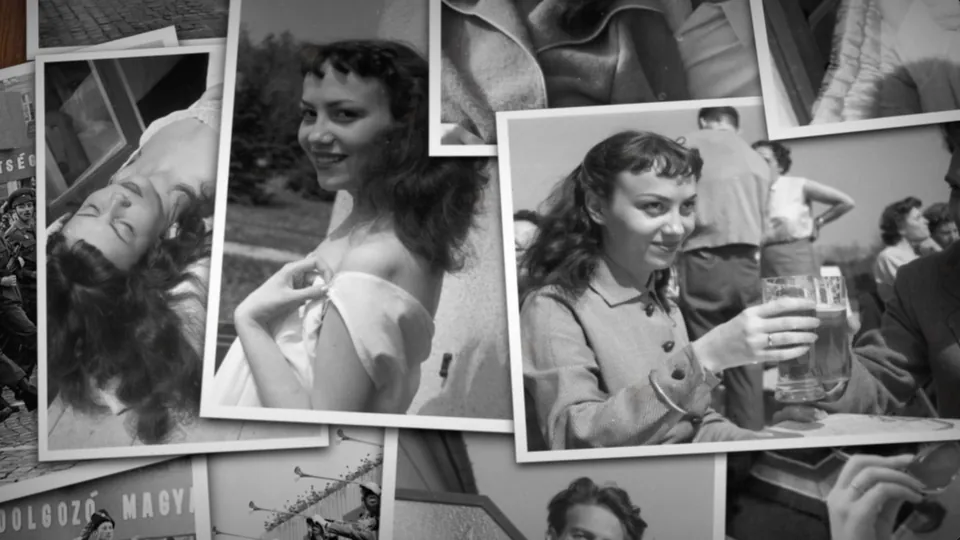
Images Between Us is a personal feature documentary born from the approximately 70,000 negatives left by my father, Antal Wormser, a photojournalist in Hungary from 1950 to 1990. His photographs captured four decades of life under socialism, from Stalinism and the 1956 Revolution to the collapse of the regime.
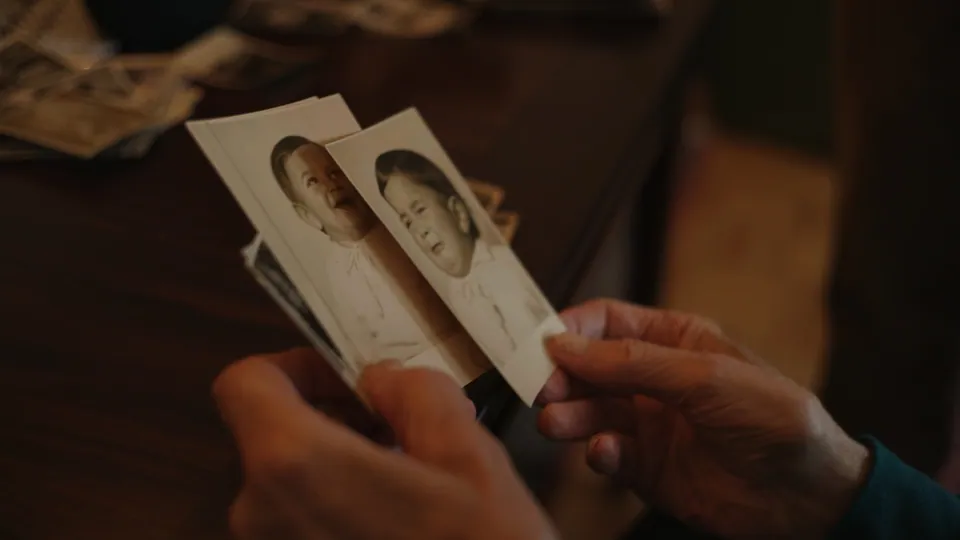
On the same rolls of film, another story emerges: my mother Éva, my parents in love, my sister, my childhood. The history of a country and the history of a family were inscribed on the same strips of film.
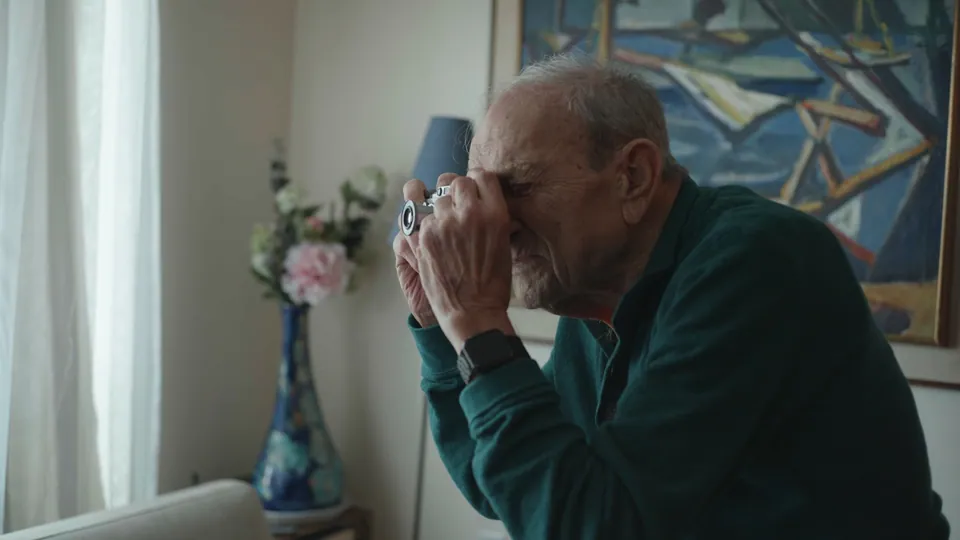
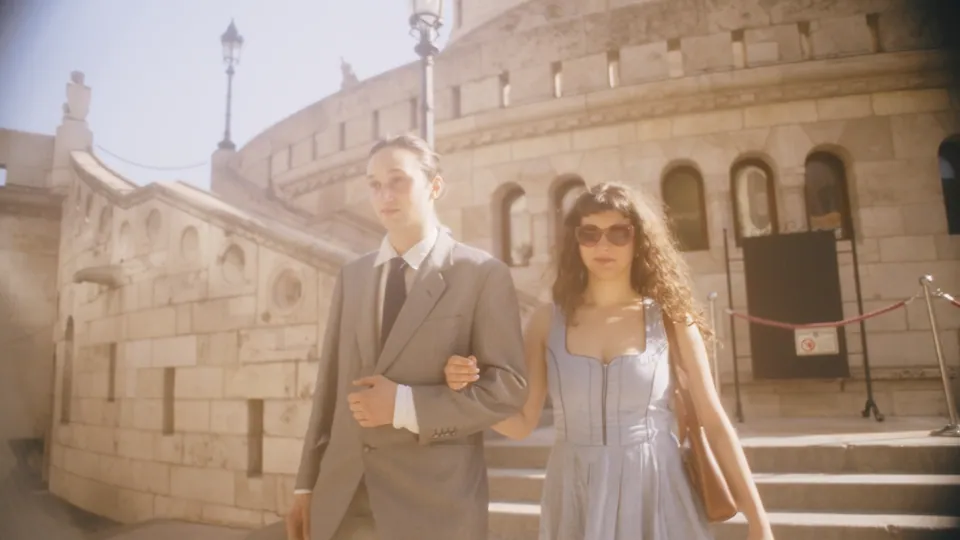
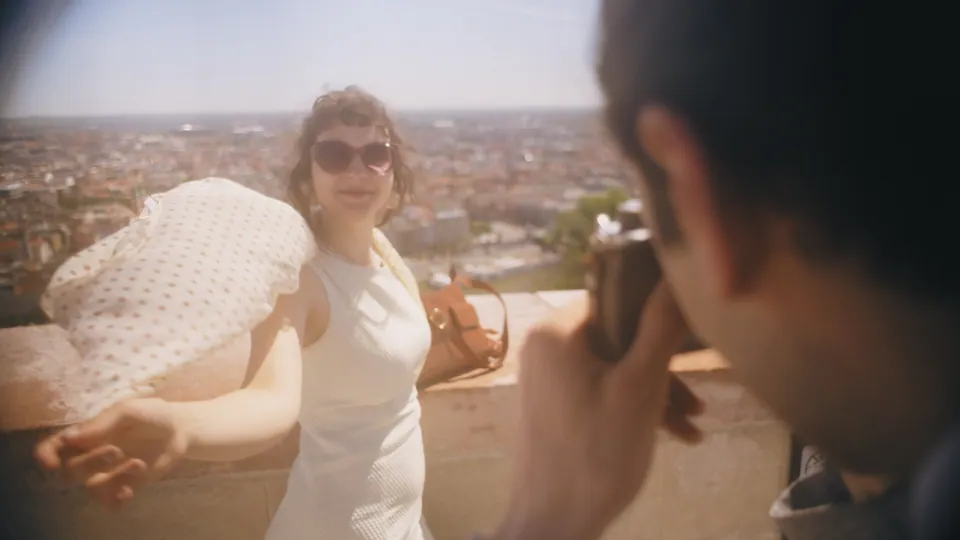
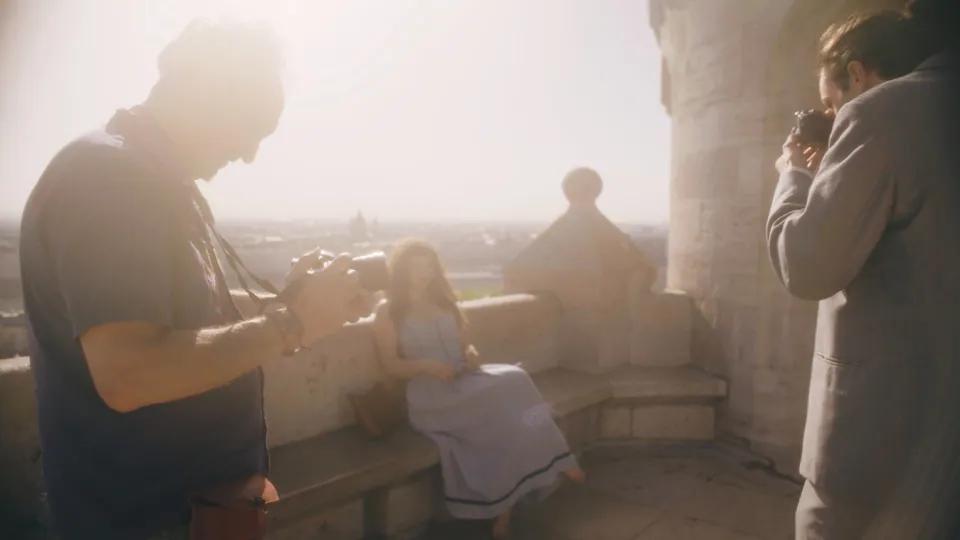
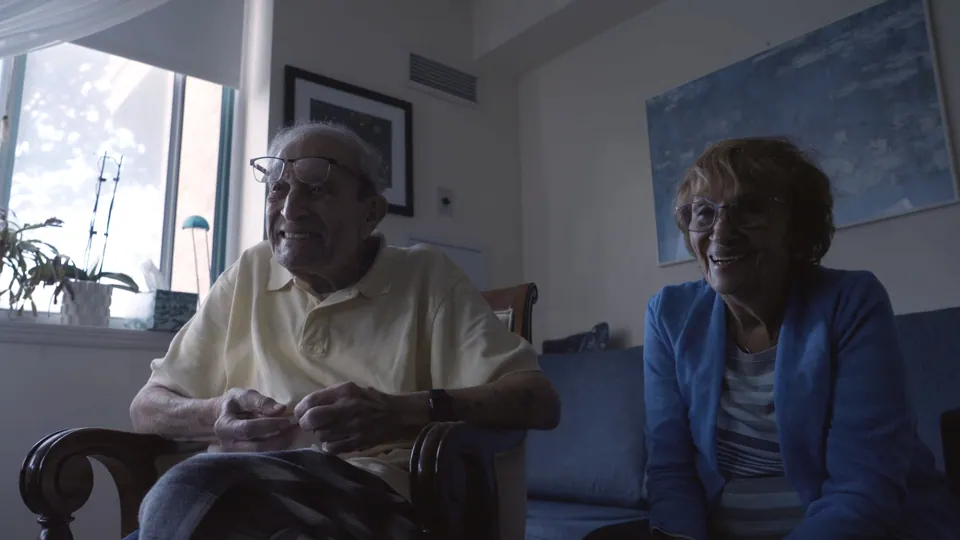
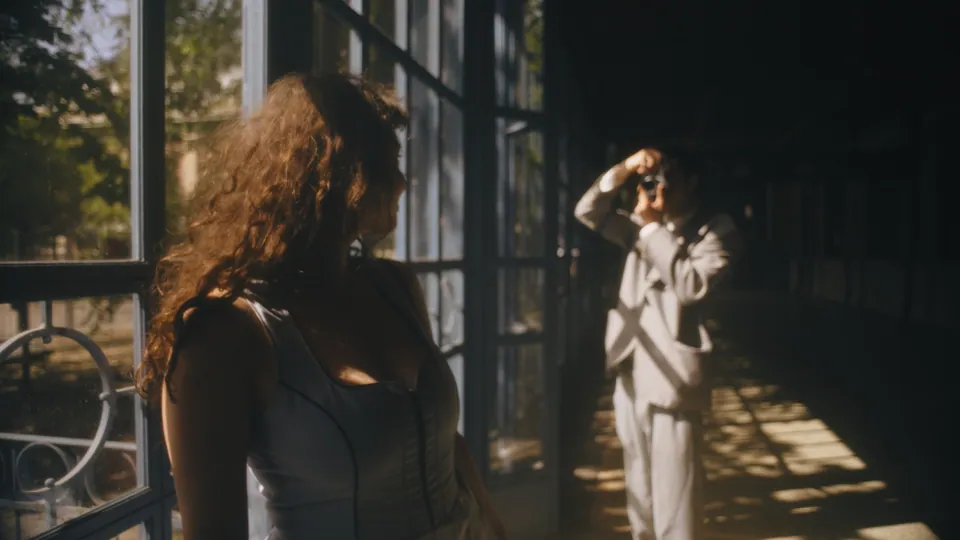
Both my parents survived the Holocaust and were orphaned by the war. They went on to share a passionate, complex life together for sixty-nine years. My father photographed my beginnings; decades later, I turned the camera toward him and my mother, filming their final years. Today, my son Victor and his partner Leia enter this dialogue through dreamlike sequences inspired by the photographs.
Moving between documentary photography, cinéma-vérité and imagination, Images Between Us explores love, memory and what images preserve across generations.
The archive
70,000 negatives
Since 2007, the Hungarian National Museum has been digitizing my father’s photographic archive. Every new batch reveals unexpected fragments of history and family life.
As a newspaper photographer, my father often exposed several frames to capture a single moment. Only one might appear in print, but the negatives preserve what happened around it: a face turning, a gesture, an expression changing. Through editing and sound, these still images can recover a sense of duration and become cinema.
For years, part of this archive survived in two garbage bags under a bed at our cottage. Today, the same negatives are handled with white gloves in a national museum. Their journey is itself part of the story.
Antal + Éva
A love story within history
After my parents died, a newly digitized series of photographs arrived from Budapest. Taken around 1955, they revealed my mother as a flirtatious seventeen-year-old and my father as a stylish young photographer. For the first time, I was not looking at my parents, but at two young people in love.
Both had lost their parents during the Holocaust. Yet they built a life together that was vivid, ambitious and full of contradictions. Their sixty-nine-year marriage held tenderness, humour and deep attachment, but also conflict and jealousy. What fascinates me is its complexity, durability and appetite for life.
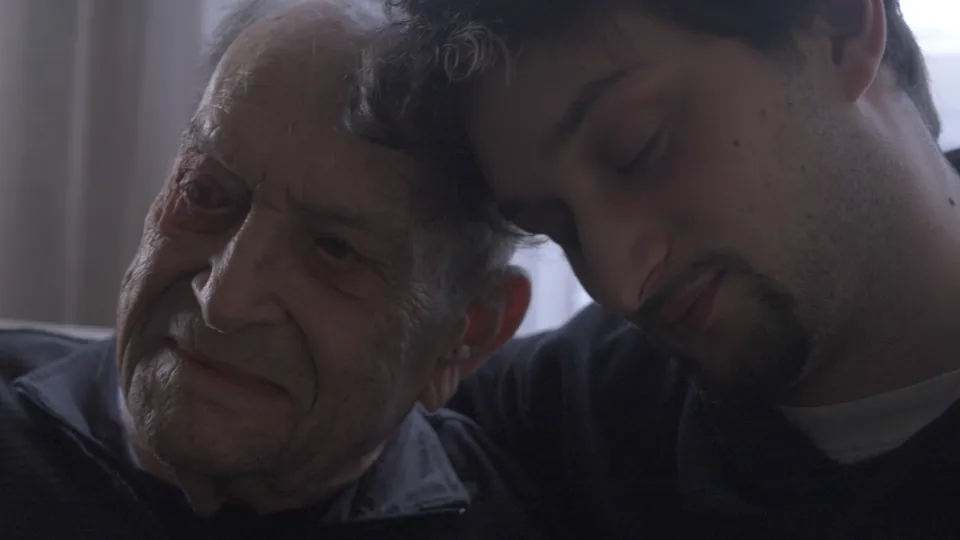
In the footage of their final years, their relationship lives in small gestures accumulated over decades. When my father dies, Éva whispers, “I’ll join you soon.” A few months later, she follows.
Three generations
The camera changes hands
My father photographed my beginnings. Decades later, the direction of the camera reversed.
I began filming my family in 1999, gradually building an archive of my own. During my parents’ final seven years, I consciously turned the camera toward them, recording their stories and everyday life. His photographs and my moving images now face one another across time.
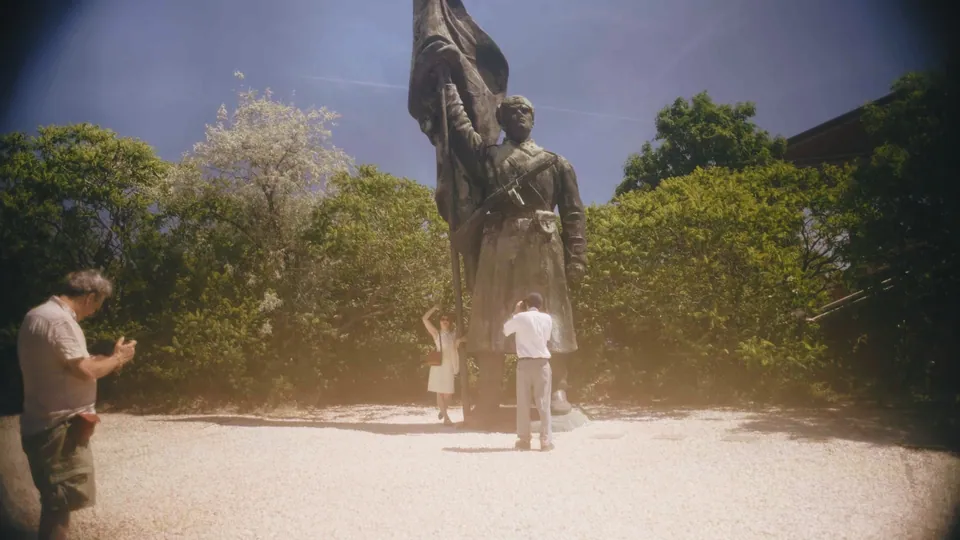
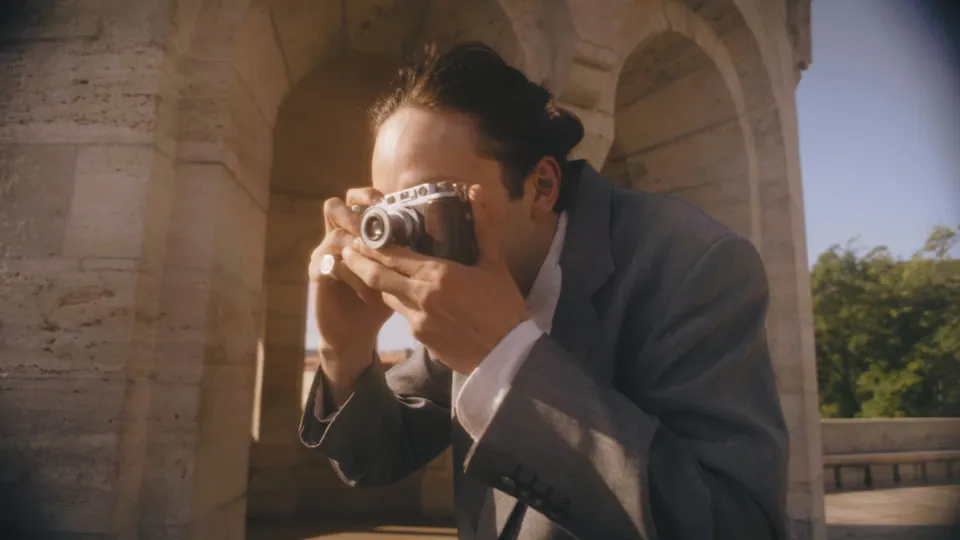
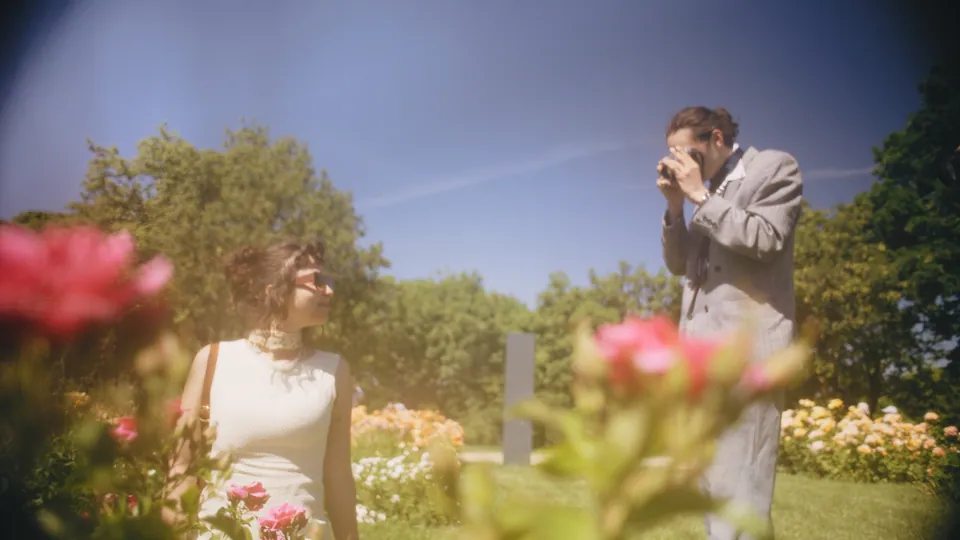
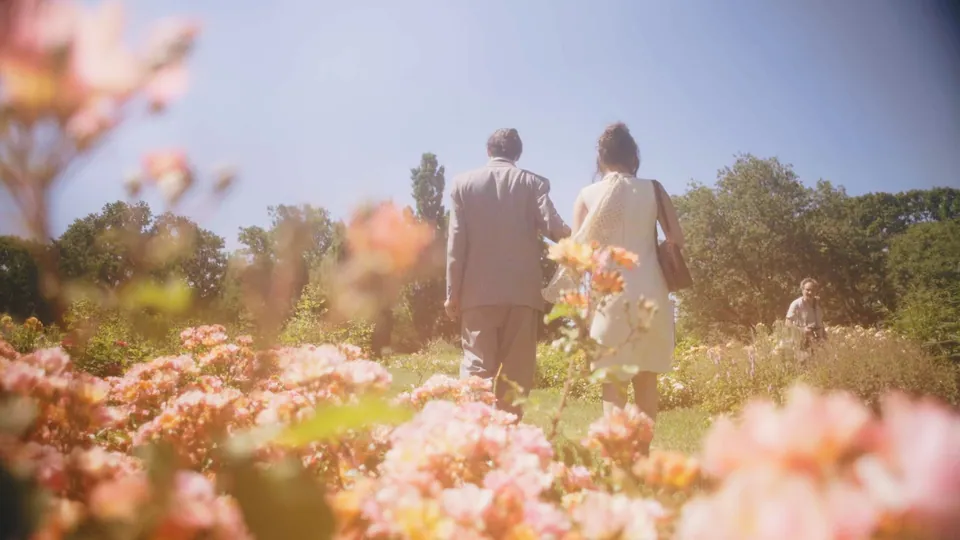
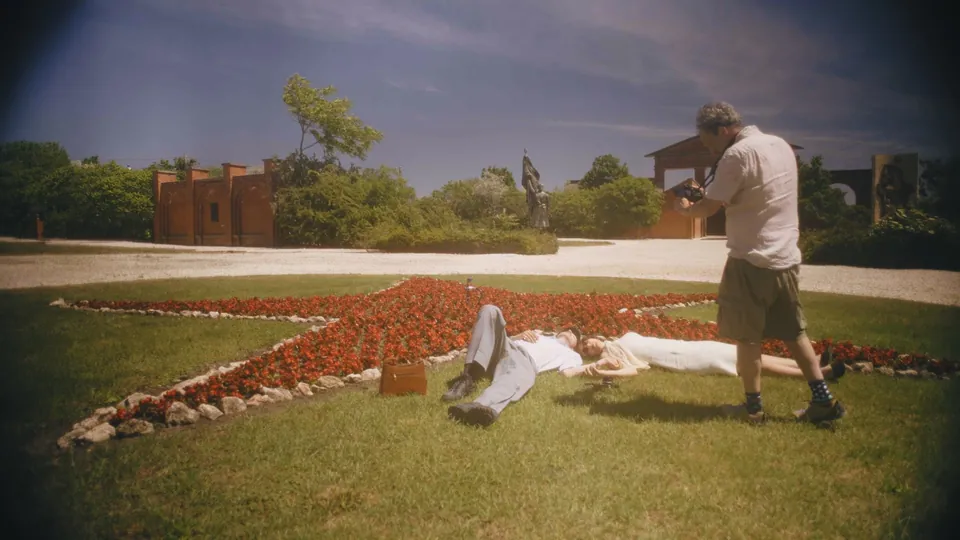
My son Victor, now the same age my father was when he met Éva, enters this archive with his partner Leia. Wearing his grandfather’s suit, winding his watch and handling his camera, Victor brings fragments of the past into the present. Rather than reconstructing history, these dreamlike sequences allow two generations to briefly overlap.
Across three generations, the camera changes hands, as photographs become memories and memories become new images.
Cinematic approach
Memory, not chronology
Images Between Us unfolds like memory rather than conventional chronology. One image awakens another; a gesture in the present echoes a photograph taken seventy years earlier.
My father’s negatives, family recordings spanning MiniDV to contemporary digital footage, newly filmed cinéma-vérité and dreamlike sequences retain their distinct visual textures. Through editing, sound, archival voices and music, still photographs acquire rhythm and duration without losing their nature as photographs.
The sequences with Victor and Leia enter where testimony ends. They do not reconstruct the past but imagine a dialogue with it. A sparse first-person narration moves between remembering, questioning and discovering what can no longer be known.
- Negatives
- Prints
- MiniDV
- HDV / HD
- Phone
Director’s note
Inheriting the images
I grew up inside my father’s images. He gave me my first Leica when I was seven, yet for years I resisted following his path. I left Hungary, settled in Canada and became a documentary filmmaker. In retrospect, the rebellion seems almost comic: I too have spent my life behind a camera.
For years, I thought this film would be primarily about my father’s photographic archive. Then my parents died, and new photographs arrived from Budapest. I began to see the archive differently, not simply as the work of a photojournalist, but as the record of a remarkable relationship.
My own family recordings also took on new meaning. Ordinary moments became irreplaceable after my parents were gone. Now my son enters images he did not live but nevertheless inherits.
Images do not preserve people unchanged. Their meanings shift because we change. Images Between Us is my attempt to understand what, through images, love and memory, one generation leaves in the hands of the next.
— Tamás Wormser